






The enterprise resource planning (ERP) landscape is witnessing a remarkable transformation, spearheaded by the rising significance of cloud integration. This trend has been increasingly prominent, with businesses worldwide striving to enhance functionality and flexibility in their operations. Cloud-based ERP solutions are no longer a mere technological advancement; they have become essential to modern business strategies, signaling a paradigm shift from traditional terrestrial data systems.
Recent corporate success stories exhibit how embracing cloud integration not only improves efficiency but also enhances scalability and cost-effectiveness. A leading retail chain streamlined its supply chain management by migrating its core ERP functions to a cloud-based platform. This strategic maneuver resulted in reduced overhead costs and increased adaptability to market fluctuations, reinforcing its competitive edge.
Conversely, the retail sector is not the sole beneficiary of cloud ERP advancements. Manufacturing industries have marked significant improvements in production planning and inventory control attributable to cloud integration. An automotive giant deployed a cloud-centric ERP approach, subsequently reporting a drastic 20% reduction in equipment downtime. This shift facilitated real-time data analytics, empowering leadership to make data-driven decisions at an unprecedented speed.
However, transitioning to cloud-based ERP solutions poses several challenges. Businesses must address concerns surrounding data security and compliance, as cloud migration inherently involves handling sensitive data. Selecting a reliable service provider with robust security protocols is crucial to mitigate potential cyber threats. Furthermore, compliance with regulations such as GDPR demands thorough attention to privacy standards, ensuring that data integrity remains uncompromised.
While some enterprises exhibit apprehension towards the initial investment in cloud ERP, the long-term benefits undoubtedly overshadow the costs. Operational efficiency, coupled with the agility provided by cloud computing, translates to improved customer satisfaction and expanded market reach.
As the demand for cloud-based ERP solutions surges, the Software as a Service (SaaS) model has surfaced as a crucial component of this evolution. By offering comprehensive modular solutions over the internet, SaaS provides customizable features, catering to the specific needs of diverse industries. This aspect of cloud ERP represents democratization in enterprise solutions, making high-tech available to businesses of all sizes.
In conclusion, the rapid uptake of cloud integration in ERP systems underscores the necessity for CIOs and business leaders to remain abreast of technological trends. The shift is a clarion call for organizations yet to adopt cloud solutions to reconsider their IT strategies. Evidently, the quest for digital transformation is not merely about staying competitive but ensuring sustainable growth. The era of cloud ERP is here, and with it comes boundless opportunities for innovation across industries.
Estimated reading time: 2 minutes, 11 seconds
Navigating ERP Trends: How Cloud Integration is Revolutionizing Business Operations Featured
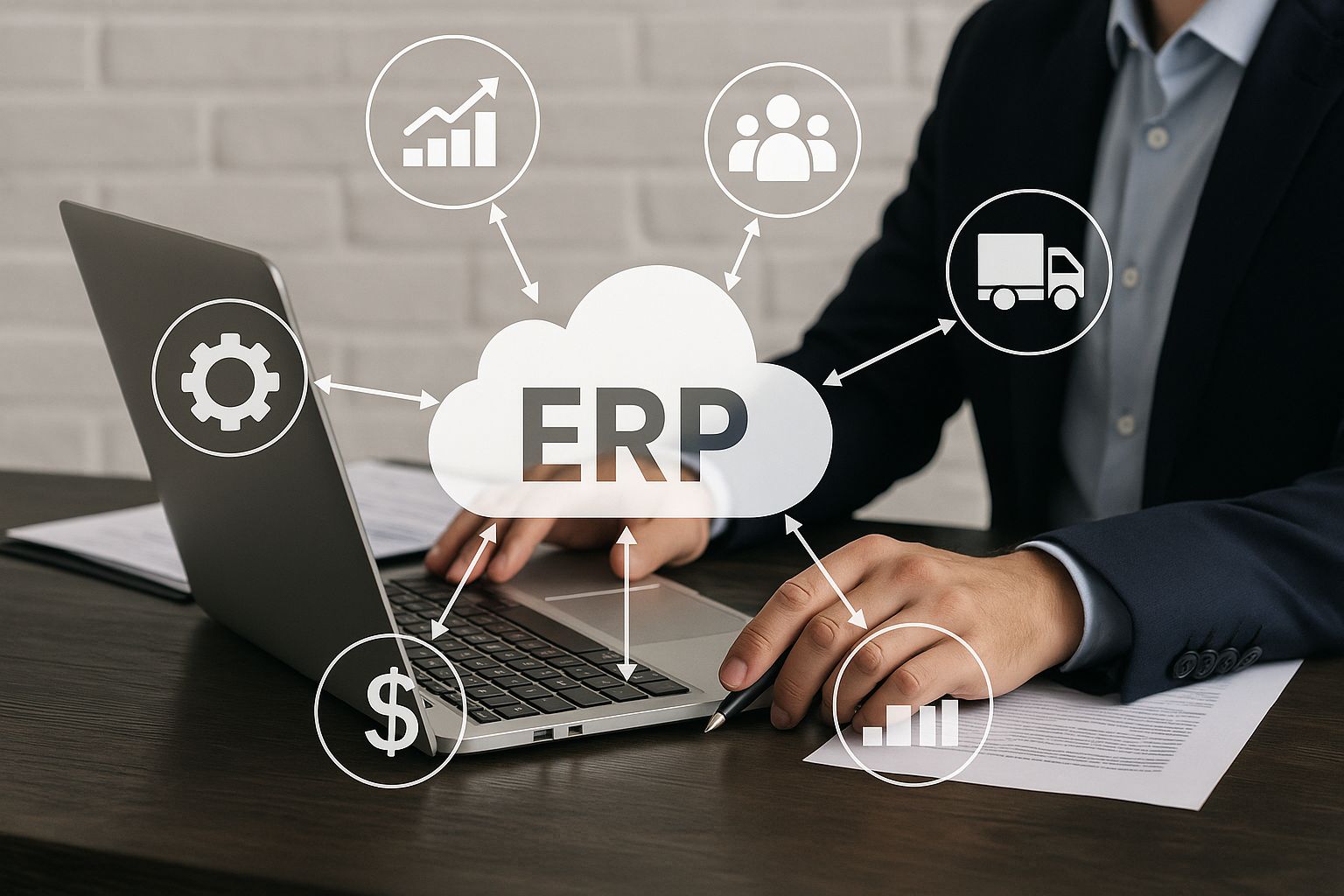 Cloud integration is reshaping ERP solutions, offering unprecedented agility and efficiency. Discover how this shift is impacting global business operations.
Latest from ERP Global Insights
- Shaping the Future of ERP: Evolving Trends and Impactful Innovations
- Leveraging Value-Added Resellers in Enterprise Software: A Strategic Shift
- Emerging Role of VARs in Navigating ERP Cloud Migration
- Automation in ERP Systems: A Game Changer for Operational Efficiency
- Adapting ERP Systems: The Rising Trend of Enhanced User Experience
Most Read
-

-
Oct 30 2018
-
Written by Craig Gehrig
 Many large companies have already adopted some form of automation…
-
-

-
Dec 16 2019
-
Written by News
Artificial intelligence will be used to complete an unfinished symphony,…
-
-
-
Mar 17 2020
-
Written by Deborah Huyett
“What do you think you’re doing, Dave?” This iconic line…
-
-
-
Jan 08 2019
-
Written by Robert Agar
Industrial robots are not a new phenomena. They have been…
-
